Family Dentist Questions: What Causes Cavities?
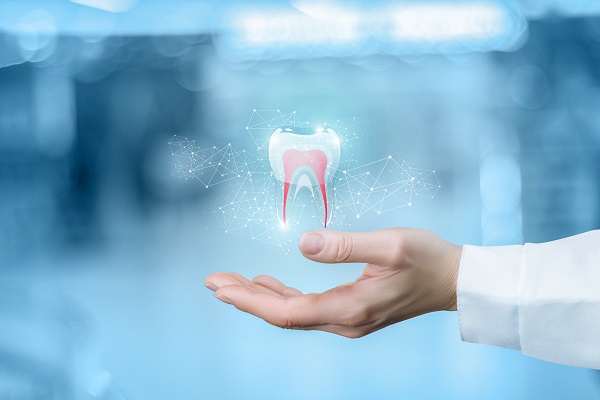
Choosing to ask a family dentist any questions that support the health of one’s mouth is encouraged. The more one knows about what it takes to experience good oral health, the more likely they are to have good oral health. Since cavities are preventable and treatable, understanding their cause is necessary.
What can cause cavities to form
A family dentist is a great resource to utilize when looking to get routine dental care for both children and adults. Additionally, family dentists can help answer various questions about oral health. One of the more common questions that patients have is related to cavity prevention. It is necessary for patients to understand what can cause cavities to form in their teeth, as once they have this information, they can take the necessary steps to prevent cavity formation.
According to the American Dental Association, a cavity is a hole in a tooth. But, what causes these holes to form in the first place? Plaque is the root cause of cavities as it not only sticks to the teeth, but it is also full of bad bacteria and acids, both of which can cause the teeth harm. Plaque is removed from the teeth through brushing and flossing and when someone does not regularly brush and floss their teeth, they are going to experience a buildup of plaque. The longer the plaque stays on teeth, the higher the chances are of being diagnosed with a cavity.
Plaque will eventually remove the minerals from a tooth’s outer enamel. This removal of minerals will begin to cause the tooth to erode in certain places, which is what begins to cause the holes in a tooth. These holes are considered to be the first stage of getting a cavity. Once the holes become larger, the plaque starts to reach the next layer of the tooth, which is known as the dentin. Because this layer of the tooth is directly connected with the nerve of the tooth, it is only a matter of time before the patient begins to experience some level of discomfort or pain.
How cavities are treated
Once a patient is diagnosed with a cavity, treatment is necessary in order to repair the tooth. Depending on whether or not the cavity is in its beginning or later stages will determine the type of treatment a family dentist will use to treat the cavity. Examples of treatment options include undergoing fluoride, getting a dental filling, having a dental crown placed over the tooth and undergoing a root canal procedure. If the cavity is severe enough that it has caused the tooth to become so damaged that it cannot be repaired, then the tooth will need to be extracted from the mouth.
Find out more from a family dentist
Understanding what causes cavities can be helpful in preventing them in the future. Working closely with a family dentist is a great place to start. An evaluation can be done in order to identify causes, which will then help with prevention. Reach out today to learn more.
Are you considering using a family dentist in the Tracy area? Get more information at https://www.carlosesanchezdds.com.
Check out what others are saying about our services on Yelp: Read our Yelp reviews.
Related Posts
A dental bridge replaces one or more missing teeth by anchoring a lifelike “pontic” to neighboring teeth or implants. This fixed option restores chewing, speech clarity, and a natural-looking smile line. By filling the space, a dental bridge helps prevent drifting teeth, changes in bite, and excessive wear on remaining enamel. The material, whether porcelain…
A restorative dentist does more than repair damaged teeth. These general, cosmetic, and family dentists play a key role in keeping the whole mouth healthy for the long term. They achieve this by keeping track of how teeth, gums, the bite, and the jaw joints work together, rather than focusing only on single problems. With…
A gentle dentist offers quality dental care with a focus on comfort. They strive to make dental visits feel less stressful and more supportive so that patients of all ages feel relaxed in the dental chair. By using clear communication and patient-friendly techniques, even routine cleanings and restorative treatments can feel easier to manage.Many people…
For many people who feel nervous about dental care, laser dentistry offers a calmer, gentler path to treatment. The technology utilizes focused light to treat teeth and gums with reduced noise and vibration compared to traditional tools. This quieter experience helps reduce tension in the chair and can lower the need for numbing in select…