Oral Surgery Recovery: What to Expect During the First Week
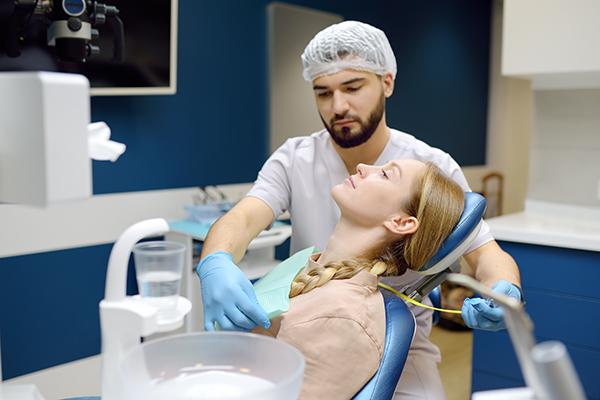
Oral surgery can address impacted teeth, damaged teeth, bone loss, and other concerns that affect oral health and function. After the procedure, recovery becomes the next focus. Knowing what to expect each day can make the recovery period feel more manageable and help patients recognize when they should contact our oral surgeon.
What the first week after oral surgery may look like
Recovery varies depending on the type and extent of the procedure. A simple tooth extraction may require less recovery time than wisdom tooth removal, dental implant placement, or bone grafting. However, age, overall health, and adherence to aftercare instructions can also influence healing. While this list is not meant to be definitive, many patients experience a similar general recovery pattern during the first week.
The first 24 hours
The body begins forming a blood clot at the surgical site immediately after oral surgery. This clot protects the underlying bone and tissue as the area begins to heal. Patients should avoid disturbing it by spitting forcefully, drinking through a straw, smoking, or vigorously rinsing the mouth.
Mild bleeding or oozing can occur during the first several hours. An oral surgeon may recommend gently biting on gauze to help control it. Patients should also prioritize rest, keep their head slightly elevated, and avoid strenuous activity. Prescribed or recommended pain medication can help manage early discomfort, as directed by the surgeon.
Days two and three
Swelling often becomes more noticeable during the second or third day. Some patients may also develop mild bruising around the jaw or cheeks, depending on the procedure. Cold compresses during the early recovery period may help manage swelling and discomfort.
Patients should continue choosing soft foods that require little chewing. For example, they can eat yogurt, applesauce, mashed potatoes, eggs, smoothies with a spoon, and lukewarm soups, which can provide nutrition without placing unnecessary pressure on the surgical area. It is important to avoid extremely hot, crunchy, spicy, or hard foods, as they may irritate the site during this stage.
Aside from food and nutrition, oral hygiene also requires extra care. Patients should continue brushing unaffected teeth gently while avoiding direct contact with the surgical site. They should also avoid over-the-counter (OTC) mouthrinses, especially those with alcohol in them. Instead, the oral surgeon may recommend gentle saltwater rinses or another rinse after the first 24 hours.
Days four and five
By days four and five, many patients notice swelling and soreness starting to improve. Jaw stiffness may continue, especially after wisdom tooth removal or more involved oral surgery procedures. Gentle jaw movement can become easier as inflammation decreases.
By this stage, patients may be able to add more foods to their diet as comfort allows. Soft pasta, tender fish, cooked vegetables, and other easy-to-chew choices can help bridge the gap between a liquid or soft diet and normal eating. However, chewing directly over the surgical site can still irritate healing tissue, so be cautious.
This stage also offers a useful opportunity to monitor progress. Pain should generally become more manageable rather than suddenly intensify. Therefore, increasing pain, worsening swelling, fever, persistent bleeding, or an unpleasant taste or odor may indicate a problem that requires professional attention.
Days six and seven
Toward the end of the first week, daily activities often feel easier. Many patients can return to much of their normal routine, although more complex procedures may require additional recovery time. The surgical site will still need protection even when pain and swelling have decreased.
Patients should continue following all instructions regarding brushing, rinsing, diet, physical activity, and medication. Those who receive sutures may need a follow-up appointment depending on the type of stitches and procedure. The oral surgeon can also check healing and address any lingering concerns during follow-up care.
Supporting a smoother recovery
Simple habits can support healing throughout the first week. Patients should drink plenty of water, eat nutritious foods, sleep adequately, and avoid tobacco products. The last substance is crucial to avoid, as smoking and vaping can interfere with healing and increase the risk of complications after some procedures.
Patients should also avoid rushing back into strenuous workouts or heavy lifting before receiving clearance. Increased physical exertion can raise blood pressure and contribute to renewed bleeding or throbbing around the surgical site. Following the personalized recovery plan gives healing tissues time to stabilize.
Know when to call the oral surgeon
Most discomfort gradually improves during the first week after oral surgery. However, patients should contact their oral surgeon if symptoms worsen, fail to improve, or if they develop unusual swelling, uncontrolled bleeding, fever, drainage, or severe pain. Difficulty breathing or swallowing, on the other hand, requires immediate medical attention.
Call us for more information
A smooth recovery starts with understanding what the body needs during the first several days after oral surgery. Following the oral surgeon's recommendations can also help patients return to their normal routine safely and comfortably. Call us tp schedule a consultation to review your recovery steps and any other questions you might have.
Request an appointment here: https://www.carlosesanchezdds.com or call Carlos E. Sanchez, DDS at (209) 690-1118 to schedule a consultation in our Tracy office.
Check out what others are saying about our dental services on Yelp: Oral Surgery in Tracy, CA.
Related Posts
A dental bridge is a restoration that relies on dental crowns and a short or larger row of artificial prosthetic teeth. It is completely customized to each patient so as to ensure a snug fit. Dental bridges have become one of the most popular ways to replace teeth that are missing as they help restore…
A dislodged tooth, which is also called an avulsed tooth, requires same day dentistry treatment. The condition is usually a result of the tooth being forcefully pushed out or into its socket due to a traumatic incident like a fall or an accident. To prevent the need for tooth loss or an invasive procedure like…
A dental bridge is one of the most popular solutions for lost teeth. According to the American Dental Association, most adults between ages 20 and 64 have at least one or two decayed or missing teeth. Fortunately, with a dental bridge, a dentist can cover the gap between the teeth to restore your smile.The following…
Dental implants can replace missing teeth, but some patients may need a tooth extraction before treatment begins. This depends on whether a damaged or unhealthy tooth remains in the area where the implant will go. Our general dentist can examine your tooth, gums, and jawbone to decide whether saving the tooth or removing it offers…